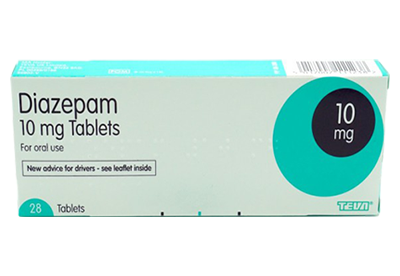
Diazepam
Diazepam 10 mg is a prescription benzodiazepine that typically calms anxiety, regulates seizures, alleviates alcohol withdrawal, and smooths muscle spasms. It operates by suppressing the overactivity of the central nervous system, which renders it useful in both mental health and neurological treatment.
Brands: Valium
Delivery: UK Fast Delivery
In contrast to drugs intended for long-term mood stabilization, diazepam is optimally tailored for short-term symptom alleviation and not for the cure of underlying conditions. Physicians will typically resort to it when non-pharmacological approaches like therapy, relaxation, or physical rehab fail.
It has a long half-life, so its effects last longer than most other benzodiazepines. This is more convenient dosing, but this can also be more dangerous if used poorly, with the potential for accumulation. Side effects can be drowsiness, confusion, impaired coordination, and dependence, so strict medical oversight is necessary.
What Is Diazepam?
Diazepam belongs to the benzodiazepine class of drugs, which are characterized by their sedative, anticonvulsant, and muscle-relaxant effects. It acts through its ability to increase the activity of gamma-aminobutyric acid (GABA), the brain's primary inhibitory neurotransmitter, which calms excessive nerve activity. This has the effect of suppressing anxiety, relaxing muscles, and sometimes inducing drowsiness.
This drug has several licensed uses. It is used for generalized anxiety disorder, for agitation caused by panic, for seizure status, and for withdrawal from alcohol. It also has a function in rehabilitation medicine to relieve muscle spasms resulting from conditions such as multiple sclerosis or spinal cord injuries. Diazepam is available in various forms: tablets, oral solution, rectal gel, and injectable solution.
The 10 mg dose is normally reserved for acute situations or severe cases, always under close medical supervision. Elderly patients and patients with liver and renal impairment tend to need lower doses due to slower metabolism. Although very effective, diazepam is not normally prescribed long-term. It is best combined with therapy, rehabilitation efforts, or changes in lifestyle.
Mechanism of Action
Diazepam exerts its sedative effect by interacting with GABA-A receptors within the brain. The body's own inhibitory neurotransmitter, GABA, retards nerve impulses. Through its potentiating action on GABA, diazepam brings additional chloride ions into the neurons, making it more difficult for them to fire. This action suppresses hyperactive brain signals and leads to sedation, less anxiety, relaxation of muscles, and anticonvulsant activities.
The time of onset varies with the preparation. Oral tablets have a 30-60 minute onset, with a duration of action extending to 24 hours or more because of the long half-life of diazepam. This feature is especially valuable in disorders needing protracted control, e.g., continuous muscle spasms or alcohol withdrawal. Its long duration results in fewer daily doses than shorter-acting benzodiazepines.
Clinically, the patient experiences less tension, fewer symptoms of anxiety, and seizure or muscle contraction relief. But, as with all benzodiazepines, diazepam does nothing to reverse the causative basis of the disorder. It only controls symptoms. Due to its long half-life, the potential for accumulation occurs with repeated dosing, resulting in some people becoming too sedate. That's why health care practitioners emphasize short-term treatment at the lowest effective dose. The pharmacological action of diazepam makes it a versatile tool in medicine, but its potential for misuse demands caution.
Benzodiazepine Classification
Diazepam is a member of the benzodiazepine class of drugs, a broad class of medications prescribed to quiet the nervous system. Benzodiazepines have similar characteristics: they all diminish anxiety, induce sleep, suppress seizures, and are muscle relaxants. What distinguishes diazepam is its moderate half-life, which can provide extended relief from symptoms for many hours versus the shorter-acting drugs such as alprazolam.
This sustained action renders diazepam particularly useful in conditions calling for continuous control, e.g., epilepsy, protracted anxiety, or alcohol withdrawal. Simultaneously, its prolonged action raises the likelihood of drug accumulation if doses are not kept under watchful scrutiny. Therefore, doctors refrain from prescribing it for daily long-term administration.
Benzodiazepines are routinely categorized as short-, intermediate-, and long-acting agents. Diazepam definitely belongs to the long-acting group. This makes a difference in when it is selected: lorazepam might be used for elderly individuals to prevent extensive sedation, whereas diazepam is preferable in patients requiring extended relief.
Although useful, diazepam is subject to the same hazards as in its class, like dependence, sedation, and harmful interactions with alcohol or opioids. Its categorization as a long-acting benzodiazepine accounts for both its therapeutic advantages and its drawbacks in safe clinical practice.
Clinical Uses and Indications
Anxiety Disorders
Diazepam is commonly used to alleviate symptoms of generalized anxiety disorder. It eliminates both the psychological symptoms, like constant worry, and physical symptoms, like tension, trembling, and palpitations.
Panic and Agitation
In cases of acute panic or extreme agitation, diazepam moves immediately to restore tranquillity. Its ability as a sedative provides relief in one hour, allowing patients to regain composure.
Muscle Spasms
Diazepam is effective in relieving spasms of skeletal muscles due to neurological disorders, spinal trauma, or inflammation. During recovery, it aids recovery by increasing comfort and reducing stiffness and pain.
Seizure Management
Due to its rapid onset and extended duration, diazepam is often used to prevent seizures. Rectal and injectable preparations are lifesaving during emergencies like status epilepticus, where it is important to control seizures immediately.
Alcohol Withdrawal
Diazepam is still a first-line drug in alcohol detoxification programs. It decreases restlessness, sedates agitation, and prevents seizures secondary to withdrawal. Its long half-life gives more even coverage, making the transition through withdrawal easier.
Special Populations
It is more sensitive in older people, and low doses are thus preferable. Diazepam should be avoided in pregnancy and lactation because it poses dangers to the foetus. In children, use is limited to emergency seizures and only under specialist care.
Treatment Duration and Safety
Diazepam is usually prescribed in short treatment courses. Generally, weeks, not months. Side effects include drowsiness, memory impairment, impaired coordination, and dizziness. It works best when used in conjunction with therapy, rehabilitation, or stress-management techniques, not as an independent, long-term treatment.
Comparison to Other Benzodiazepines
Diazepam is compared with other commonly used benzodiazepines. Here is how it stacks up:
| Drug | Onset of Action | Duration | Common Uses | Notes |
|---|---|---|---|---|
| Diazepam | 30-60 min | Up to 24 hrs | Anxiety, seizures, alcohol withdrawal | Long half-life, risk of accumulation |
| Alprazolam | 30-60 min | 6-12 hrs | Panic disorder, acute anxiety | Faster relief, higher dependence risk |
| Lorazepam | 20-40 min | 8-12 hrs | Anxiety, sedation before surgery | Less accumulation, safer in elderly |
Long-lasting relief is best with Diazepam, while the others can be selected for brief or safer use.
Dosage, Administration, and Safety
Dosage Guidelines
The dose of diazepam varies depending on the condition. For anxiety, the oral doses are typically 2 mg to 10 mg, taken twice to four times a day. In alcohol withdrawal and muscle spasms, higher initial doses are administered and then tapered down. Rectal or injectable forms are the preferred forms for rapid control in seizure emergencies. The 10 mg tablet strength is normally reserved for severe conditions with close observation.
Administration
Diazepam tablets must be taken whole with water and may be administered with or without food. Due to its long half-life, the dosing interval could be less than with other short-acting benzodiazepines.
Potential Side Effects
- Fatigue
- Drowsiness
- Weak muscles
- Poor coordination
- Dizziness
Safety Considerations
Diazepam should not be combined with alcohol, opioids, or other sedatives since this interaction may cause potentially fatal respiratory depression. Special care should be exercised in older patients, those who have impaired organs, and also those with histories of substance abuse. The abrupt discontinuation of diazepam would precipitate withdrawal symptoms like tremors, rebound anxiety, or seizures. Gradually tapering doses is the best method of discontinuation.
With proper use, diazepam is very effective, but in abuse, it has serious risks. Continuous medical control is necessary for safe administration.
Dependence, Risks, and Precautions
Diazepam 10 mg carries established risks of dependency and abuse. Long-term use for several weeks or more can result in tolerance, with increasing doses needed to achieve the same effect. This process raises physical dependence and withdrawal risks when it is discontinued. Withdrawal manifests as sweating, tremors, insomnia, irritability, or, in extreme cases, seizures. Individuals with a history of drug or alcohol abuse are at the highest risk.
Signs of Dependence
- Dose escalation without medical consent
- Experiencing inability to function without medication
- Psychological or strong cravings
Diazepam is not to be used with alcohol, opioids, cannabis, or other sedatives, as the combination can lead to hazardous sedation and respiratory distress. Use is typically not recommended during pregnancy and lactation because of possible damage to the infant. Older persons can experience enhanced risks of confusion, falls, and memory problems.
Managing Risks
The best practice is to use diazepam for short-term periods, with counselling, therapy, or rehabilitation methods. Doctors tend to taper down doses slowly instead of abruptly in order to prevent withdrawal issues. Patient education about safe usage, side effects, and possible interactions is critical for reducing harm in order to enjoy the benefits of diazepam's therapeutic efficacy.
Diazepam Price
The cost of diazepam differs according to dose strength, packaging, and pharmacy. Internet services can be competitive in terms of price, but they usually include consultation or delivery fees. Diazepam is a controlled medication, so it always needs a legitimate prescription.
The following are average UK price ranges:
| Pack Size (Tablets) | Strength | Price Range (GBP) |
|---|---|---|
| 30 | 10 mg | £36.99 |
| 60 | 10 mg | £57.99 |
| 90 | 10 mg | £82.99 |
| 120 | 5 mg | £105.99 |
| 180 | 10 mg | £144.99 |
Prices vary between suppliers and may not include delivery.
Frequently Asked Questions
What are the common side effects of Lorazepam?
Side effects may include drowsiness, dizziness, fatigue, and mild memory issues. Less common effects involve confusion, muscle weakness, or problems with coordination. Headache, dry mouth, and nausea are sometimes reported.
How is Lorazepam usually prescribed and taken?
Adults are generally prescribed 1-2 mg daily in divided doses. For sudden panic or severe anxiety, a single 1-2 mg dose may be used. Tablets should be swallowed whole with water, ideally at the same time each day. Crushing or chewing is not advised.
How does Lorazepam work in the body?
Lorazepam enhances the activity of gamma-aminobutyric acid (GABA), the brain’s primary calming neurotransmitter. By reducing excessive nerve firing, it eases anxiety, lowers restlessness, and helps the body relax.
Can dependence or withdrawal occur?
Yes. Long-term or high-dose use can lead to tolerance and dependence. Stopping abruptly may cause rebound anxiety, tremors, insomnia, or seizures. A gradual taper under medical supervision is recommended.
Are there drug interactions to watch for?
Absolutely. Alcohol, opioids, and other sedatives can dangerously amplify their effects, increasing the risk of severe sedation, breathing problems, or overdose.
Who should take special precautions with Lorazepam?
Elderly patients and those with liver or kidney impairment require lower doses due to increased sensitivity. Use in children is generally restricted to hospital settings, mainly for seizure or agitation management.
Disclaimer: The information provided on this website about Diazepam is for educational purposes only and should not replace professional medical advice, diagnosis, or treatment. Always consult a qualified healthcare professional before using or changing any medication, including Diazepam.
Author & Medical Review Written by:
Dr R. Dinesh John Rajkumar
Pharm D (Doctor of Pharmacy)