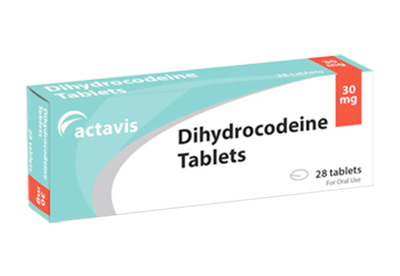
Dihydrocodeine
Dihydrocodeine is a medication in the morphine family that can help relieve moderate to severe pain. It is prescribed most often in the United Kingdom as a tablet and should always be used with close medical monitoring because of potential safety issues, especially when obtained over the internet from a UK pharmacy.
Brands: DHC Continus
Delivery: UK Fast Delivery
In this guide, you will find extensively researched and factually supported information on the use of dihydrocodeine tablets based on YMYL (Your Money Your Life) and EEAT (Experience, Expertise, Authoritativeness, and Trustworthiness) principles; therefore, UK residents wishing to purchase dihydrocodeine tablets should read the entire document prior to purchasing them on the internet.
Disclaimer: This information is intended for educational purposes only; it is not intended to replace professional medical advice from a qualified UK primary care physician or a licensed pharmacist. Before using dihydrocodeine or any other medications, you should always consult your physician or pharmacist.
What Is Dihydrocodeine?
Dihydrocodeine is a semi-synthetic analgesic compound derived from codeine and classified as a controlled substance under the UK Misuse of Drugs Act of 1971.Dihydrocodeine is generally sold as oral formulations at strengths of 30mg immediate-release dosage forms or larger dosage forms of 60mg, 90mg or 120mg modified-release capsules to be dispensed for internet purchases by customers with a valid prescription through United Kingdom Licensed Pharmacies or by private prescription. Dihydrocodeine tablets are supplied as film-coated dosage forms for easier swallowing and act as central nervous system depressants, producing an analgesic effect to relieve the perception of pain.
Though a narcotic, as opposed to more potent narcotics such as morphine, Dihydrocodeine possesses lower potency & produces moderate levels of analgesia (pain relief), but also has antitussive (cough-suppressing) properties, allowing it to be used as a short-term treatment for some patients. Dihydrocodeine is not supplyable OTC within the United Kingdom because there are considerable risks of developing a dependence or tolerance; thus, all supplies of Dihydrocodeine are dependent upon a private or NHS prescription, including all online sales from United Kingdom licensed pharmacies. The Medicines & Healthcare Regulatory Agency (MHRA) is responsible for maintaining a high standard of quality in Dihydrocodeine tablets via strict compliance with Pharmacopoeial standards governing drug products, ensuring that Dihydrocodeine tablets are manufactured to meet strict standards regarding Safety, Purity, & Efficacy.
Dihydrocodeine is offered in the UK in a variety of forms:
- Immediate Release Tablets: Such as DF118 Forte 30mg, these provide an effective means of fast-acting analgesia.
- Modified Release Tablets/Capsules: Such as DHC Continus, these offer 12-hour sustained dose coverage with only one capsule/tablet taken at a time.
- Liquid Suspensions: For patients who cannot swallow tablets, liquid suspensions can be obtained from the UK website of any GPhC registrant.
In the UK, dihydrocodeine tablets purchased from a web-based pharmacy are subject to the regulations of the General Pharmaceutical Council (GPhC) regarding obtaining such a product through a professional consultation with a pharmacist in order to avoid such products being misused (MHRA safety news release.).
What Is Dihydrocodeine Used For?
Dihydrocodeine is a medication that is prescribed in the UK for moderate to severe pain when other medications (such as paracetamol or ibuprofen) aren't effective. Some common uses include pain after having surgery, after having a tooth pulled, and pain from musculoskeletal injuries or chronic conditions like osteoarthritis or diabetic neuropathy, when other medications were not helpful. Dihydrocodeine may also be prescribed for patients receiving palliative care to help relieve their symptoms of dry cough, severe difficulty breathing, and varous other symptoms. However, Dihydrocodeine should not be the first medication for use in cough suppression due to the risks associated with dependence.
According to the NHS (National Health Service) in the UK, Dihydrocodeine is appropriate for use in patients with acute pain (e.g., after surgery or an injury) or as treatment to relieve "breakthrough" pain in patients taking chronic pain medication. The duration of initial treatment with Dihydrocodeine should not typically exceed three to seven days. Online pharmacies in the UK emphasize the role of Dihydrocodeine in a pain ladder, where it is a step up from Step 2 opioids.
Indications for use in the UK:
- Acute Pain: fractures, burns, and post-surgery.
- Chronic Pain: cancer-related and non-cancer-related (e.g., back pain) that is regularly monitored by a specialist physician.
- Cough Suppression: persistent dry cough in adults with short duration of use.
- Shortness of Breath in End-of-Life: providing end-of-life care for severe shortness of breath.
Dihydrocodeine does not treat the underlying cause of pain but provides symptomatic relief. NICE (National Institute for Clinical Excellence) in the UK recommends that Dihydrocodeine tablets should be used in combination with non-pharmacologic therapies, such as physiotherapy. If patients would like to purchase Dihydrocodeine tablets, physicians evaluate patients who wish to purchase them using virtual consultations.
How Dihydrocodeine Works (Simple Science Section)
Dihydrocodeine binds to mu-opioid receptors in the brain, spinal cord and gut, thus mimicking endorphins and inhibiting the transfer of pain signals from one nerve to the next. When ingested, immediate-release tablets dissolve quickly, while modified-release tablets dissolve slowly; both releases the active ingredients into the small intestine where blood plasma will peak within one to two hours for the absorption of the active ingredient. G-protein coupled pathways are then activated, and the adenylate cyclase activity is decreased, calcium channels are closed, and potassium channels are opened. This hyperpolarization of neurons reduces the pain signals sent from the body to the brain.
In layman's terms, dihydrocodeine "turns down the volume" on pain signals sent from a nerve to the brain. In addition, dihydrocodeine suppresses the cough reflex in the brainstem. For UK consumers who take modified-release dihydrocodeine tablets, these tablets will produce steadier blood levels over a 12-hour period and avoid peaks that produce euphoric or sedative effects. Metabolism occurs via the liver CYP2D6 and CYP3A4 enzyme pathways and produces active (dihydromorphine - 20-30% of parent compound) and inactive (excretion via the kidneys) metabolites.
Visual Representation of/correlating Brain Mechanisms to Dihydrocodeine Use in Nerve Pain and Cough Reflexes:
- Nerve Pain: Pain receptive areas of the body send signals to the brain via nociceptors.
- Dihydrocodeine inhibits the release of substance P and glutamate.
- Increased GABA activity causes relaxation.
The mechanism above that explains how dihydrocodeine works also presents a risk - high doses may lead to respiratory depression, and therefore, UK patient information leaflets provide recommendations to take only one dose of modified-release dihydrocodeine per day.
Dosage Information (Safety-First Framing)
The dosing of Dihydrocodeine should be individualized for each patient starting at a low dosage and increased gradually until the patient reaches an adequate level of pain relief without significant side effects, based on their needs and condition. The maximum daily dose of Dihydrocodeine for the treatment of pain is:
UK:
- immediate release tablets: 30 mg = 4-6 hours (180 mg maximum per day)
- modified release: 60 mg - 120 mg = 12 hours (240 mg maximum per day)
Take tablets with a full glass of water and swallow them whole. If you crush a modified release tablet, it will no longer provide extended-release effect, and you can increase your chances of overdosing.
| Category | Recommended Dose | Important Safety Notes |
|---|---|---|
| Adults (18-64 years) | Immediate: 30mg q4-6h (max 180mg/day) Modified: 60-120mg q12h |
Start lowest effective; reassess after 3 days. Avoid if pain mild. |
| Elderly (≥65 years) | Immediate: 15-30mg q6h (max 120mg/day) Modified: 60mg q12h |
Increased sensitivity; monitor falls, sedation. Renal adjustment key. |
| Mild Liver Impairment | Reduce by 50%; max 120mg/day | Avoid moderate-severe; hepatotoxicity risk. |
| Renal Impairment (CrCl <30ml/min) | Immediate: 15mg q6-8h; avoid modified | Accumulation risk; monitor for toxicity. |
| Children (12-18 years, select cases) | 0.5-1mg/kg/day divided | Rarely used; specialist only, not <12 years. |
Missed doses:
- If < 2 hours before the next scheduled dose, take it as soon as you remember, Otherwise, skip the missed dose. DO NOT take 2 doses at once.
- The Online Prescribers (UK) will only be allowed to issue a limited prescription of 7-14 days will be issued for the first prescription only.
If you experience any of these symptoms: drowsiness, pinpoint pupils, slow/rapid breathing, etc., CALL 999 FOR ASSISTANCE & ADMINISTER NALOXONE.
Who Should NOT Take Dihydrocodeine
People who are at risk for serious complications from taking Dihydrocodeine tablets should not use them. Examples of contraindications include acute respiratory depression, prolonged severe asthma or other causes of obstructive pulmonary disease (COPD), paralytic ileus, and an intolerance to other opioid medications. Other absolute contraindications include uncontrolled hypothyroidism and adrenal insufficiency in the UK, as well as head injury resulting in increased intracranial pressure in the UK.
Absolute contraindications include:
- Severe respiratory disease (e.g., chronic obstructive pulmonary disease exacerbation and/or obstructive sleep apnea).
- Acute alcohol intoxication or delirium tremens (acute alcohol withdrawal).
- Pregnancy (especially during the third trimester—risk of withdrawal in a newborn).
- Lactating mothers (risk of neonatal depression).
- Patients under 12 years of age (efficacy not established).
Relative ions. Discuss biliary tract disease, acute pancreatitis, benign prostatic hyperplasia or epilepsy with your UK GP prior to online prescription. The MHRA recommends avoiding the use of Dihydrocodeine tablets in patients with pheochromocytoma or in the postoperative period of gastric surgery.
Possible Side Effects
All forms of opioids come with potential adverse effects, but dihydrocodeine will most likely cause constipation (40%), nausea (20-30%), and drowsiness (15-25%). Persisting issues should be reported to your prescriber. Adverse events are monitored in the UK with the Yellow Card Scheme.
Common side effects:
- Drowsiness, dizziness, and confusion.
- Nausea/vomiting/constipation (prophylactic laxatives recommended).
- Dry mouth, headache, and sweating.
Uncommon:
- Vertigo, mood changes, and urinary retention.
- Itching and rash.
Serious (Urgent Care required):
- Respiratory depression (slow or shallow breathing).
- Severe hypotension, hallucinations, and seizures.
- Anaphylaxis (swelling, rash, breathing difficulty).
Rare or complex behaviours, e.g., sleep-driving, have been reported, so if you have any concerns, consult your prescriber. In the UK, no drivers should operate a vehicle if they are impaired according to DVLA rules.
Warnings & Safety Precautions
Only use short-term (<=3 days OTC or <=2 weeks Rx) to prevent abuse potential. UK MHRA indicate that combining alcohol or co-depressant medications increases likelihood of overdosing; keep product secure as it's a Class B controlled substance and illegal to share.
Precautions:
- No alcohol or sedatives; will cause an increased risk of Central Nervous System depression.
- Monitor breathing during sleep; be aware of risk of positional asphyxia.
- Taper dose to avoid withdrawal symptoms.
- Do not drive until all effects are known (8+ hours after last use).
Pregnancy category: Avoid product; if breastfeeding then use product and express milk 24-48 hours after last dose. Fall risk for elderly population is high.
Drug Interactions
Dihydrocodeine has CYP interactives and CNS activities. For all medications before placing an order online, let your UK pharmacist know.
Major Interactors (Warnings):
- CNS depressants (benzodiazepines, alcohol) = Resp. arrest
- MAOIs & SSRIs = Serotonin syndrome
- CYP3A4 inhibitors (e.g., erythromycin) = ↑ levels/toxic
- CYP2D6 inhibitors (e.g., paroxetine) = ↓ efficacy
Moderate Interactors:
- dimensional x4 (antihistamines/anticholinergics) = worsens constipation
- Warfarin = enhanced anticoagulation
Do not drink grapefruit juice. For a full list of interactions, see UK BNF.
How Long Does Dihydrocodeine Stay in the Body?
Half-life: 3.5-5 hours (immediate release) and 12-24 hours (steady state for modified release). Urine detection: 1-2 days, blood detection: 12-24 hours, longer saliva/hair. Full clearance in healthy adults is generally 24 to 48 hours; liver and renal impairment can prolong clearance by up to 7 days.
Impacts clearance: age, poor CYP2D6 metabolism result in longer retention. Drug Tests in most UK workplaces note a 3-day retention window for methadone.
Dependency, Tolerance & Withdrawal
In a matter of days or weeks, tolerance develops; higher doses of the drug are needed over time to achieve the same effect.
In the UK, the drug is classified as having the potential to cause dependence or addiction. Long-term use of the drug can potentially lead to either physical or psychological addiction.
Withdrawal Symptoms (Peak 2-4 days post-stop):
- anxiety, difficulty sleeping (insomnia), and excessive sweating
- muscle pain or discomfort; either diarrhea/or nausea
- more severe withdrawal symptoms (e.g., seizures & hallucinations)
- other severe behaviours associated with cessation (e.g., aggression & violence).
As always, tapering medication usage should only be done under medical supervision and with the assistance of cognitive-behavioural therapy; in fact, there are many organisations that are running campaigns to educate the public about the increasing misuse of prescription medications.
Alternatives to Dihydrocodeine
Non-Opioid (First-Line UK)(Tx Options (UK)):
- Paracetamol with Ibuprofen dosed together.
- Topical NSAIDs and/or Physiotherapy.
Other Opioids:
- Codeine (weaker), Tramadol and Morphine (stronger).
Non-medication:
- Acupuncture, Electric (or Transcutaneous) Nerve Stimulation and Mindfulness Mediation Techniques.
- Coughing Treatment Options - Pholcodine or Honey.
NICE prefers multimodal approaches.
Frequently Asked Questions
Is dihydrocodeine stronger than codeine?
For pain relief and due to increased conversion to active metabolites, dihydrocodeine is approximately double the potency of codeine. In the UK, dihydrocodeine is used for moderate to severe pain when codeine is ineffective, and both medications require a prescription to be ordered over the internet. Always start with low doses when taking either drug to determine your tolerance.
Question: Can you purchase dihydrocodeine tablets through the internet in the UK?
Yes. You can buy dihydrocodeine tablets from UK pharmacies registered with the General Pharmaceutical Council (GPhC) (e.g., Superdrug Online Doctor or Boots Online; note: you must have a legitimate prescription from a medical professional before ordering). Do not purchase dihydrocodeine online from any unregulated websites (i.e., non-GPhC registered) as this places you at risk of receiving counterfeit products. You can verify the legitimacy of the seller by checking the MHRA website.
Question: How long does dihydrocodeine take to work?
The immediate release form of dihydrocodeine has an onset of action approximately 30 to 60 minutes after ingestion, with maximum analgesic effectiveness occurring between 1 and 2 hours after ingestion (effectiveness lasts between 4 and 6 hours). The modified release form of the medication, however, begins providing its analgesic effect approximately 1 to 2 hours after ingestion and will continue to provide an analgesic effect for approximately 12 hours following ingestion. If you take your dihydrocodeine on an empty stomach, it will take less time before the medication has an effect.
Question: Is dihydrocodeine safe for long-term use?
No. The UK clinical guidelines recommend that dihydrocodeine be used for short-term use (i.e., no longer than 2 to 4 weeks), as prolonged use of dihydrocodeine can result in tolerance, dependence, and overdose. For anyone requiring dihydrocodeine for more than 4 weeks, or who is considering using dihydrocodeine long-term, it is necessary to be reviewed by a pain specialist (e.g., a pain clinic). If you require dihydrocodeine for an extended period, your GP can review your treatment plan and discuss alternative options to help alleviate your pain.
Can Dihydrocodeine cause constipation?
It's a common side-effect (up to 50%) due to opioid receptors located in the gut, which slow down peristalsis. To prevent this, take a laxative (senna/lactulose) from day 1, eat plenty of fiber, and drink plenty of water. Speak to your pharmacist about UK-recommended laxatives.
Is it safe to drive when taking Dihydrocodeine tablets?
You should not drive until you know how the medication affects you. Dihydrocodeine can impair your perception for a minimum of 8 to 12 hours (or longer). Under UK law, you are not allowed to drive while under the influence of a drug (sedated). If you're taking Dihydrocodeine for a long period, you must notify the DVLA. If you're taking a modified release, do not drive for 24 hours after taking the last dose.
Is Dihydrocodeine an addictive substance?
Yes, it is a Class B substance that can be very addictive. It is one of the most frequently misused drugs in the UK according to Office of National Statistics (ONS). Some risk factors for developing an addiction include: having a history of substance misuse or taking large doses of Dihydrocodeine for an extended period of time. If you want help for addiction, see the NHS website and contact "Talk To Frank".
What happens if I overdose on Dihydrocodeine?
You should call 999 immediately. Symptoms of an overdose include slow breathing and/or a coma state. Naloxone (also known as Narcan) is an antidote that can be used to treat Dihydrocodeine overdoses, and the NHS will supply it to you. You can also call your local poisons information centre (such as the UK poisons helpline at 0344 892 0111) for more information about Dihydrocodeine. To prevent Dihydrocodeine overdoses, always follow your prescribed dose and keep it out of reach of children.
Can you take Dihydrocodeine tablets if you are diabetic in the UK)?
Yes, usually, because there are sugar-free Dihydrocodeine formulations available. There are no known direct effects from Dihydrocodeine on blood glucose levels; however, you should monitor how sedation may affect your daily routine. If you are also experiencing problems with your kidneys, you should consult your GP.
What's the difference between Dihydrocodeine and Co-Dydramol?
Co-Dydramol also contains Dihydrocodeine; however, it also contains paracetamol (this helps produce both a better effect and a lower risk of overdose compared to taking pure Dihydrocodeine). Both Dihydrocodeine and Co-Dydramol are available from online pharmacies in the UK, so you need to use the advice of your prescriber to select the right product to avoid an overdose from paracetamol.
Author & Medical Review Written by:
Dr R. Dinesh John Rajkumar
Pharm D (Doctor of Pharmacy)
References & Sources
- DrugBank Online. Dihydrocodeine: Uses, Interactions, Mechanism [Internet]. [cited 2026 Feb 27]. Available from: https://go.drugbank.com/drugs/DB01551
- NHS UK. About dihydrocodeine [Internet]. London: NHS; [cited 2026 Feb 27]. Available from: https://www.nhs.uk/medicines/dihydrocodeine/about-dihydrocodeine/
- MHRA. Codeine and dihydrocodeine: minimising risk of addiction [Internet]. London: GOV.UK; [cited 2026 Feb 27]. Available from: https://www.gov.uk/drug-safety-update/over-the-counter-painkillers-containing-codeine-or-dihydrocodeine
- British National Formulary (BNF). Dihydrocodeine [Internet]. London: BMJ/NICE; [cited 2026 Feb 27]. Available from: https://bnf.nice.org.uk/drug/dihydrocodeine.html
- NICE Guidelines. Opioids in palliative care [Internet]. London: NICE; [cited 2026 Feb 27]. Available from: https://www.nice.org.uk/guidance/ng193