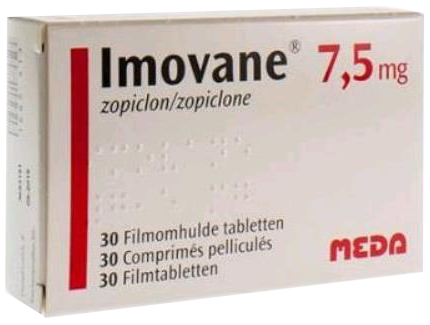
Zopiclone
Zopiclone is a non-benzodiazepine hypnotic agent used in the treatment of insomnia. It belongs to the class of medications that are commonly referred to as the z-drugs. While they may have similar mechanisms to benzodiazepines, they are often less dangerous due to fewer complications.
Brands: Imovane
Delivery: UK Fast Delivery
These drugs were developed as safer alternatives to benzodiazepines. Therefore, Zopiclone 7.5 mg and 10mg are less addictive and safer in terms of dependence and tolerance. Zopiclone was the first compound developed after benzodiazepines, but with the exact mechanism of affecting the GABA receptors as they do. Zopiclone 7.5mg is often called a short-acting hypnotic because it is quickly eliminated from the body. It has a ‘half-life’ of about 5 hours; hence, it doesn’t cause any drowsiness the following morning.
Even though the medication is effective and is often prescribed as a treatment for sleep disorders, most people tend to use zopiclone 7.5 mg, hoping for a quick fix. Hey, don’t realise that they need to combine lifestyle changes and other non-medication approaches with this for long-term results. Either way, you should consult a healthcare specialist to make an informed decision regarding your sleep health.
What is Zopiclone?
Zopiclone and other doses are mainly prescribed as a short-term treatment for severe insomnia and sleep disorders. It works by affecting the GABA neurotransmitters in the brain, which helps induce sleep. Its mechanism produces a calming and relaxing effect, making it easier to fall asleep and stay asleep throughout the night.
Hence, the drug doesn’t just improve your sleep quality but also the depth, reducing nighttime awakenings. Most medical practitioners generally prescribe zopiclone for a period of 2 to 4 weeks due to the potential for the body to adjust and the medication becoming less effective over time. This is called dependency, and if you use the drug for longer than prescribed, it can be habit-forming, leading to adverse effects.
Before taking Zopiclone, carefully read the patient information leaflet provided with the medication. This document is included in the medicine package and contains information regarding dosage, usage, and potential zopiclone side effects. It is recommended that you take the drug according to your doctor’s instructions.
Mechanism of Action
Zopiclone 10mg works by affecting gamma-aminobutyric acid (GABA) in the brain, which helps induce a calming effect, helping you fall asleep and stay asleep. Its sedative-hypnotic effect gives your brain the relaxation it needs to fall asleep faster. Hence, zopiclone not only enhances sleep quality but also affects longevity.
Clinically, this means you can sleep shortly after taking the medicine. Taking Zopiclone may make you sleepy, and sleepiness may persist for some time. This is why you should prefer taking Zopiclone immediately before you go to bed or after you have gone to bed but cannot fall asleep. Taking Zopiclone 10mg or other doses is recommended only when you can stay in bed for at least 7 to 8 hours after taking the medication.
Zopiclone takes around one hour to begin working. Its half-life is five hours in most patients, except for elderly patients, who can have a half-life of up to seven hours. While the effects of this drug do not last longer than 12 hours, they can still be detectable in urine for 49 hours and saliva for 59 hours.
Non-Benzodiazepine Classification
Zopiclone belongs to the class of “Z-drugs,” non-benzodiazepine hypnotics developed mainly for short-term treatment of insomnia. Although structurally different from benzodiazepines, it acts on the same GABA receptors in the brain, producing sedative and calming effects that help with sleep initiation and maintenance.
What sets zopiclone apart is its relatively quick onset and moderate half-life, which makes it effective for helping people both fall asleep and stay asleep through the night. Standard doses are usually 7.5 mg, while 10 mg may be considered under strict medical advice for more severe cases of insomnia. Due to its residual effects, patients should have a whole night of rest after taking it to avoid next-day drowsiness or impaired alertness. For transient sleeplessness, the recommended duration is 2-5 days, and for short-lived sleeplessness, the duration should be 2-3 weeks.
Clinical Uses and Indications
Insomnia Treatment
Zopiclone is mainly prescribed for the short-term management of insomnia. It helps people fall asleep faster and reduces nighttime awakenings. The 7.5 mg dose is standard for adults, while zopiclone 10mg is usually prescribed for chronic symptoms of sleep disorders, under medical supervision. Lower doses, such as 3.75 mg, are often recommended in elderly patients to minimize zopiclone side effects.
Sleep Initiation and Maintenance
Unlike some Z-drugs that work best only for falling asleep, zopiclone’s moderate half-life allows it to help with both sleep initiation and maintenance. This makes it suitable for patients who struggle to drift off and wake up frequently at night.
Situational Insomnia
Zopiclone is sometimes prescribed for short-lived, stress-related, or situational insomnia. These are caused mainly by travel, shift work, or periods of acute stress. It is not meant for long-term or chronic insomnia without addressing the underlying causes. If it is prescribed to you for long-term treatment, take it as directed by the doctor.
Special Populations
Elderly patients are more sensitive to zopiclone, often experiencing confusion, unsteady balance, or excessive daytime drowsiness, so doctors prescribe smaller doses. Zopiclone BNF is generally avoided during pregnancy and breastfeeding as it may pass to the baby and cause sedation or withdrawal. It is not approved for children and should not be used for children under the age of 18.
Duration and Safety
Treatment is usually limited to 2 to 4 weeks to avoid tolerance and dependence. It is most effective when paired with good sleep hygiene and behavioural therapy. You may experience some of the common side effects, which include a bitter or metallic taste, dry mouth, dizziness, and next-day drowsiness. These usually ease when the dose is adjusted or the medicine is stopped. However, if any of them persists or worsens, consult a doctor promptly.
Comparison to Other Non-Benzodiazepines
| Drug | Onset of Action | Duration | Common Uses | Notes |
|---|---|---|---|---|
| Zopiclone | 30 to 60 minutes | 6 to 8 hours | Short-term insomnia (difficulty falling/staying asleep) | Improves sleep continuity; may cause metallic taste; risk of dependence with long use |
| Zolpidem | 15 to 30 minutes | 6 to 8 hours | Sleep onset insomnia, some formulations help sleep maintenance | Rapid onset; lower risk of next-day sedation than benzos; dependence possible |
| Eszopiclone | 30 to 45 minutes | Up to 8 hours | Insomnia (sleep onset + maintenance) | Longer-term use approved in some guidelines; may cause bitter taste; fewer rebound effects |
Dosage, Administration, and Safety
Recommended Zopiclone Dosage
The correct dosage of zopiclone depends on the severity of your condition, medical history, and tolerance. Zopiclone 7.5 mg pill is ideal for those seeking mild sedative effects, promoting sleep onset, without the drowsiness the next day. Typically, adults are prescribed to take 7.5 mg of zopiclone right before bedtime. However, for older individuals or those with liver or kidney issues, your doctor may recommend a lower dose. If you step up the dosage to Zopiclone 10mg, then it is ideal for those with persistent insomnia. It can help individuals attain a deeper and more restful sleep.
Do it under medical guidance so they can increase the dose of zopiclone to 10mg based on your tolerance and progress. In case of missed zopiclone dosage, take your next dose at the usual time and avoid repeating the forgotten one. It can be effective if you take it as soon as you remember. However, don’t double up your doses to cover for the missed one, as it can lead to overdose.
Potential Zopiclone Side Effects
- Daytime drowsiness
- Dry mouth
- Metallic taste in the mouth
- Headaches
- Nausea
- Double vision
- Restlessness
Before taking zopiclone, inform your doctor about your current medications and supplements. If you have sleep apnoea or other respiratory conditions, avoid taking zopiclone as it can lead to respiratory depression and trouble breathing. Since Zopiclone 10mg tends to decrease your threshold for seizures, let your doctor know if you have epilepsy. Do not discontinue the medication abruptly, as it can cause withdrawal symptoms. Ask your doctor to taper the medicine for safe discontinuation. If appropriately taken according to the doctor’s instructions, Zopiclone can be an effective way to get relief from insomnia, but misuse of Zopiclone 7.5 pill can lead to health risks.
Dependence, Risks, and Precautions
Zopiclone BNF (British National Formulary) can lead to dependency if misused for a prolonged period of time. If you have a history of alcohol abuse, it can cause anxiety, sweating, tremors, insomnia, and, in extreme situations, seizures. Also, you should consult your doctor when the medication is not improving. Instead, there are side effects that are too bothersome. Your doctor may recommend switching you to a different medication and suggest other, safer treatment approaches.
Signs of Dependence
- Increasing the dose of Zopiclone to 7.5mg without medical guidance.
- Developing a tolerance and needing more Zopiclone to achieve the same effect.
- Continual use despite being aware of the negative impacts on daily life and health.
Precautions and Contraindications
Zopiclone should not be taken with:
- Alcohol
- Opioids
- Cannabis
- Other sedatives or sleeping pills
These combinations significantly increase the risk of excessive drowsiness, poor coordination, and severe breathing difficulties.
Older adults are particularly vulnerable and may develop:
- Daytime confusion or grogginess
- Problems with balance, leading to falls
- Memory lapses or unusual forgetfulness
Zopiclone should generally be avoided during pregnancy or breastfeeding, since it can cross into the baby’s bloodstream or milk, potentially causing sedation, poor feeding, or withdrawal symptoms in newborns.
Managing Risks
Like benzodiazepines, Z-drugs also carry risks of tolerance, dependence, and unusual behaviours such as sleepwalking or memory lapses, especially with prolonged or unsupervised use. Hence, the treatment should be as short as possible and in the lowest doses, like 7.5 mg of zopiclone. During this time, your doctor will taper your doses gradually for a safer discontinuation.
Here’s a look at typical UK price ranges:
| Pack Size (Tablets) | Strength | Price Range (GBP) |
|---|---|---|
| 14 | 7.5mg | £10 - £18 |
| 28 | 7.5mg | £18 - £28 |
| 14 | 10mg | £12 - £20 |
| 28 | 10mg | £22 - £35 |
You may find different prices with different providers. Since zopiclone is a prescription-only sleeping pill, availability is closely regulated, and a valid prescription is required.
Frequently Asked Questions
What are the usual side effects of zopiclone?
The most common ones are drowsiness, bitter or metallic taste, dry mouth, and dizziness. These often reduce after a few days or once the medicine is stopped.
How is zopiclone given?
For adults, the usual dose is 7.5 mg at bedtime. In elderly patients, 3.75 mg may be prescribed. A 10 mg dose is only used under strict medical advice and for a short time.
How does it work?
Zopiclone boosts the calming effect of GABA, a brain chemical that slows activity. This helps you fall asleep more quickly and improves sleep quality.
Can long-term use cause dependence?
Yes, using zopiclone tablets for longer than 2 to 4 weeks increases the risk of tolerance and dependence. Doctors generally limit its use to short courses only.
Do they have interactions with other drugs or substances?
Yes, combining zopiclone tablets with alcohol, opioids, cannabis, or other sedatives can cause extreme drowsiness, poor coordination, or breathing problems.
Can zopiclone cause withdrawal symptoms, and how are they managed?
Stopping suddenly can cause rebound insomnia, anxiety, or restlessness. Doctors reduce the dose gradually to help patients stop safely.
Disclaimer: The information provided on this website about Zopiclone is for educational purposes only and should not replace professional medical advice, diagnosis, or treatment. Always consult a qualified healthcare professional before using or changing any medication, including Zopiclone.
Author & Medical Review Written by:
Dr R. Dinesh John Rajkumar
Pharm D (Doctor of Pharmacy)